Kelltron's Cloud Security Service Safeguards Your Business in the Cloudscape At Kelltron, we understand...
Read More
Achieve Cyber Essentials Certification with Kelltron Achieving Cyber Essentials Certification is more than just fulfi...
Read More
Achieve Cyber Essentials Plus Certification with Kelltron Cyber Essentials Plus Certification is an advanced level of...
Read More
Cybersecurity Training: Empowering Individuals and Organizations The evolving cybersecurity landscape requires skille...
Read More
Approach Initiating ISMS Project with Internal Stakeholders Establishing Management Framework Developing Secur...
Read More
Network Security: Protecting Your IT Infrastructure In a world driven by connectivity, Network Security is essential...
Read More
What is PCI? PCI, short for Payment Card Industry, represents a globally recognized set of guidelines. T...
Read More
Penetration Testing: Proactively Securing Your Digital Assets In today’s evolving threat landscape, penetration...
Read More
Phishing Simulation: Strengthening Your Organization’s Defenses Phishing Simulation programs are a vital tool f...
Read More
Risk Assessment: Identifying & Mitigating Cyber Threats A thorough Risk Assessment is the foundation of a strong...
Read More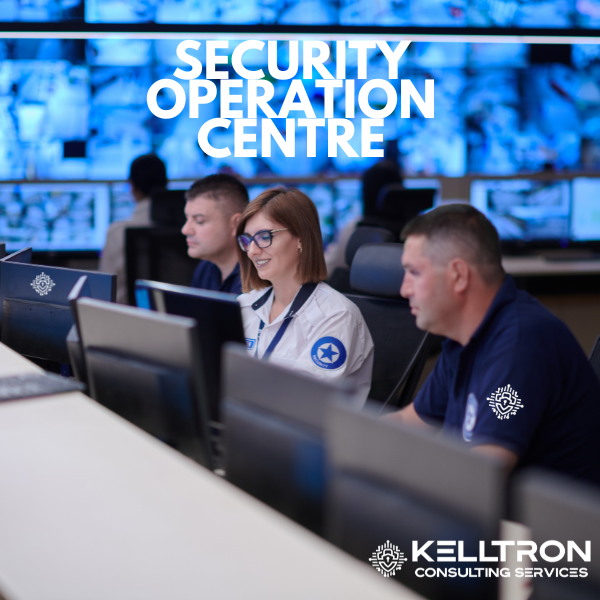
Understanding the Security Operations Center (SOC) A Security Operations Center (SOC) is a specialized team collabo...
Read More
Vulnerability Assessment: Strengthening Your Cybersecurity Posture In today's rapidly evolving cyber threat lands...
Read More
Kelltron's Comprehensive Web Application Security Service At Kelltron, we recognize the critical import...
Read More


SSO allows users to access multiple systems or applications with a single set of credentials. It enhances user experience and simplifies access management by reducing the number of login credentials.
Access Management solutions for cloud services typically involve identity and access management (IAM) tools that control user access to cloud resources and ensure secure cloud computing environments.
Yes, Identity Management solutions can be implemented in cloud environments. Cloud Identity and Access Management (IAM) services provide similar functionalities, ensuring secure and compliant access to cloud resources.
Frequency depends on factors like the organization's size, industry, and evolving threats. Regular testing, such as annually or after significant system changes, is common.
White hat hackers are ethical security professionals who conduct penetration testing to improve security. Black hat hackers are malicious actors who exploit vulnerabilities for malicious purposes.
Yes, SOC services can be tailored to the needs of small businesses, providing cost-effective cybersecurity solutions and enhancing overall resilience against cyber threats.
Technologies include Security Information and Event Management (SIEM) systems, intrusion detection systems, and advanced threat intelligence platforms.
Any business or organization that handles payment card information must achieve PCI compliance. This includes merchants, financial institutions, service providers, and any entity involved in storing, processing, or transmitting credit card data. Compliance is crucial to maintain secure environments and prevent potential data breaches, ensuring the protection of sensitive cardholder information.
The PCI Security Standards Council (PCI SSC) requires merchants to adhere to the PCI standard. Annual validation, mandated by major card brands, serves as documentation for compliance. Validation criteria vary according to annual payment card transactions and may involve a self-assessment or an independent onsite audit.
The government doesn't regulate PCI. However, by signing your payment card contract to accept credit and debit cards, you committed to adhering to card brand rules. If you opt to accept Visa, MasterCard, JCB, American Express, or Discover, compliance with PCI is mandatory.
Disconnect your system from the Internet, contact SecurityMetrics or your service provider, and engage a forensic investigator certified by PCI. PCI forensic investigators assist in identifying and resolving security vulnerabilities within your processing environment. They aid in pinpointing the methods and timing of system breaches, assessing potential compromise of card data, and documenting your actions to rectify vulnerabilities that contributed to the data breach, meeting the requirements set by the card brands.







Kelltron secures identities, access, and data with AI-powered IAM, PAM, and compliance solutions for modern enterprises.
Copyright © 2026 Design & Developed By Kelltron Consulting Services.
